01 / PILOT VIEW
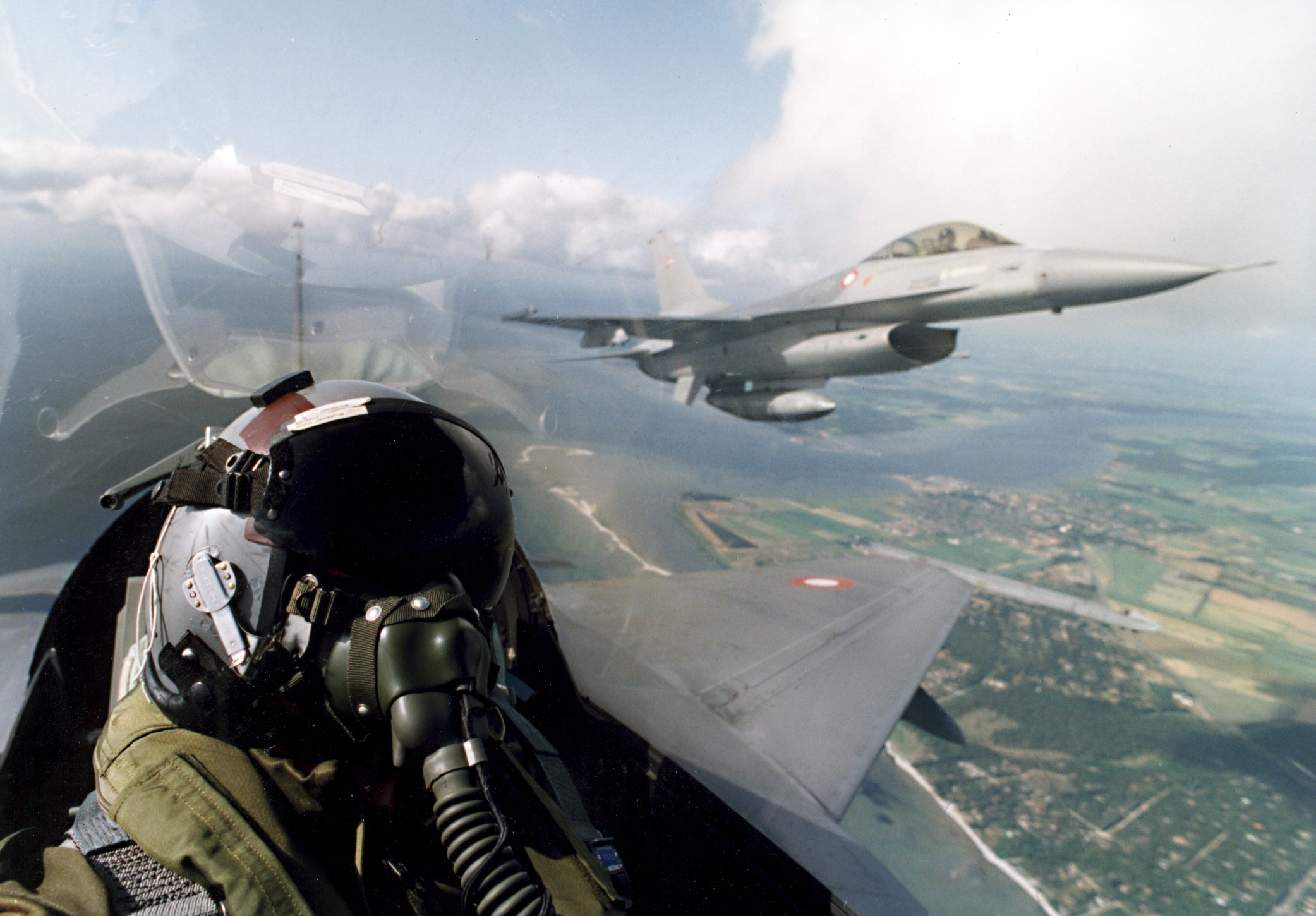
The cockpit is part of the system.
Wide outward visibility and hands-on controls reduce the pilot’s need to look away from the formation and the fight.
AVITOP FIELD GUIDE / F-16 FIGHTING FALCON
Choose a numbered point on the aircraft to understand the systems pilots rely on—from radar and propulsion to survival equipment.
SENSOR / NOSE
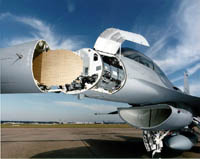
Pulse-Doppler radar supports air-to-air search and tracking as well as air-to-ground modes. The exact radar and capabilities vary by F-16 block and upgrade standard; the archival image shown is an AN/APG-68.
VARIANT-SPECIFIC · MULTI-MODEDESIGN LOGIC / PILOT FIRST
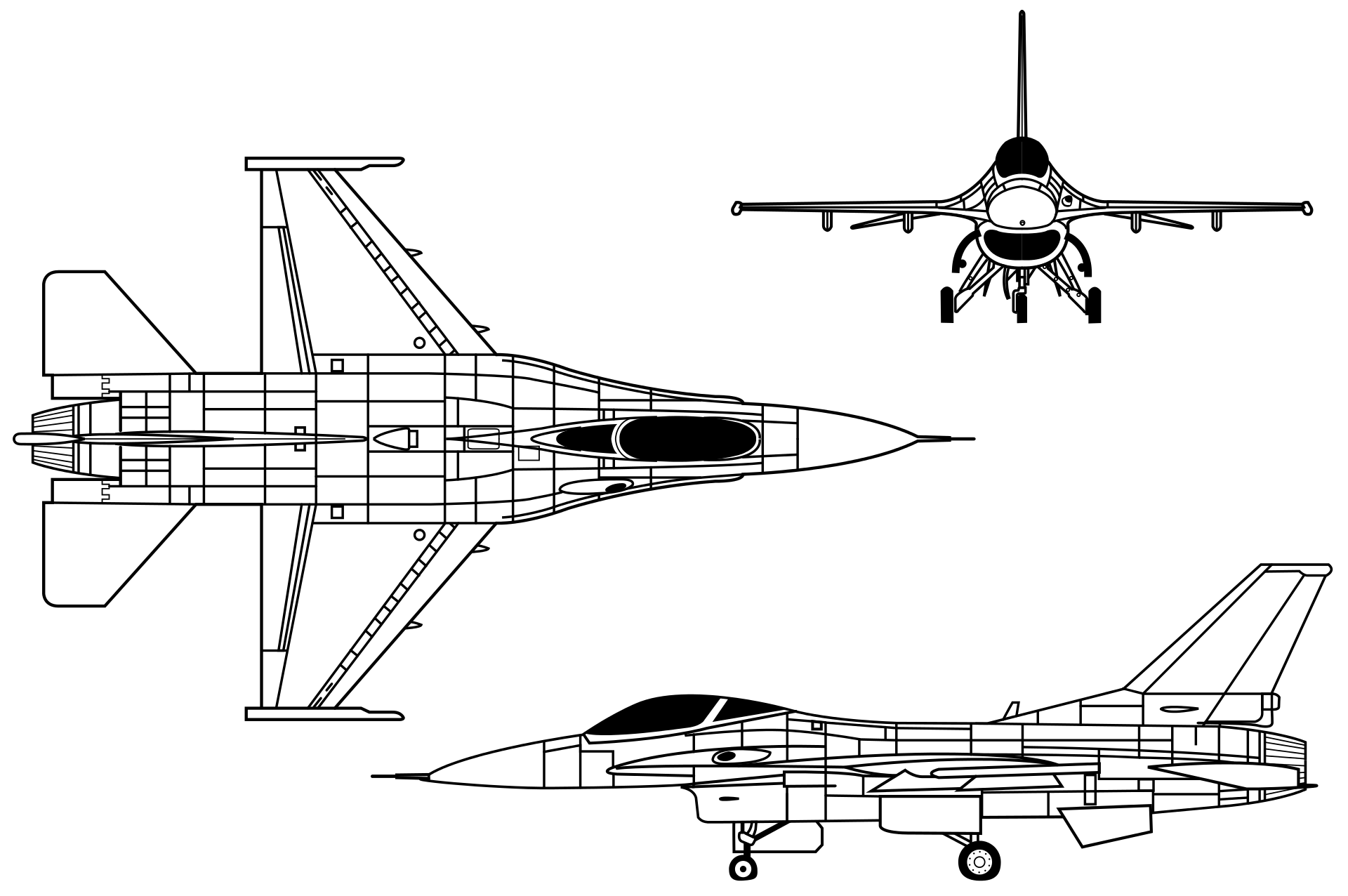
The F-16 began as a lightweight fighter and developed into a multirole aircraft. Its defining ideas remain easy to read: a single engine, blended wing-body, side-stick controls, relaxed static stability managed by fly-by-wire, and a cockpit built for visibility.
General characteristics below are USAF F-16C/D reference figures. Aircraft, engines, radar, software and equipment vary by block and operator.
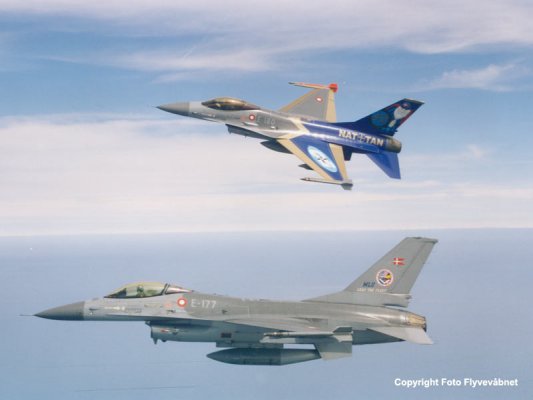
Wide outward visibility and hands-on controls reduce the pilot’s need to look away from the formation and the fight.
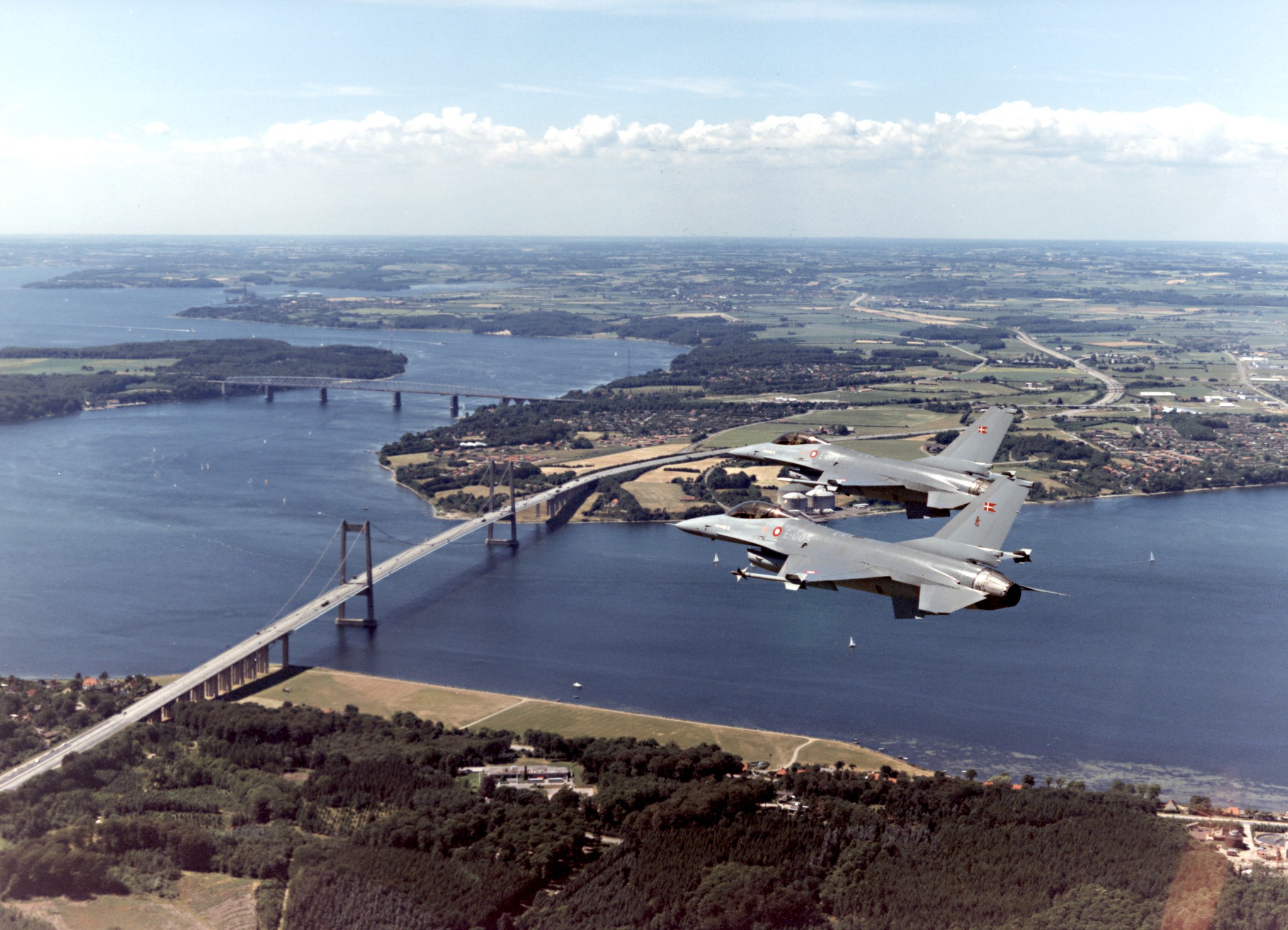
The platform combines air-to-air and air-to-surface roles, while successive blocks and upgrades change the equipment carried inside.
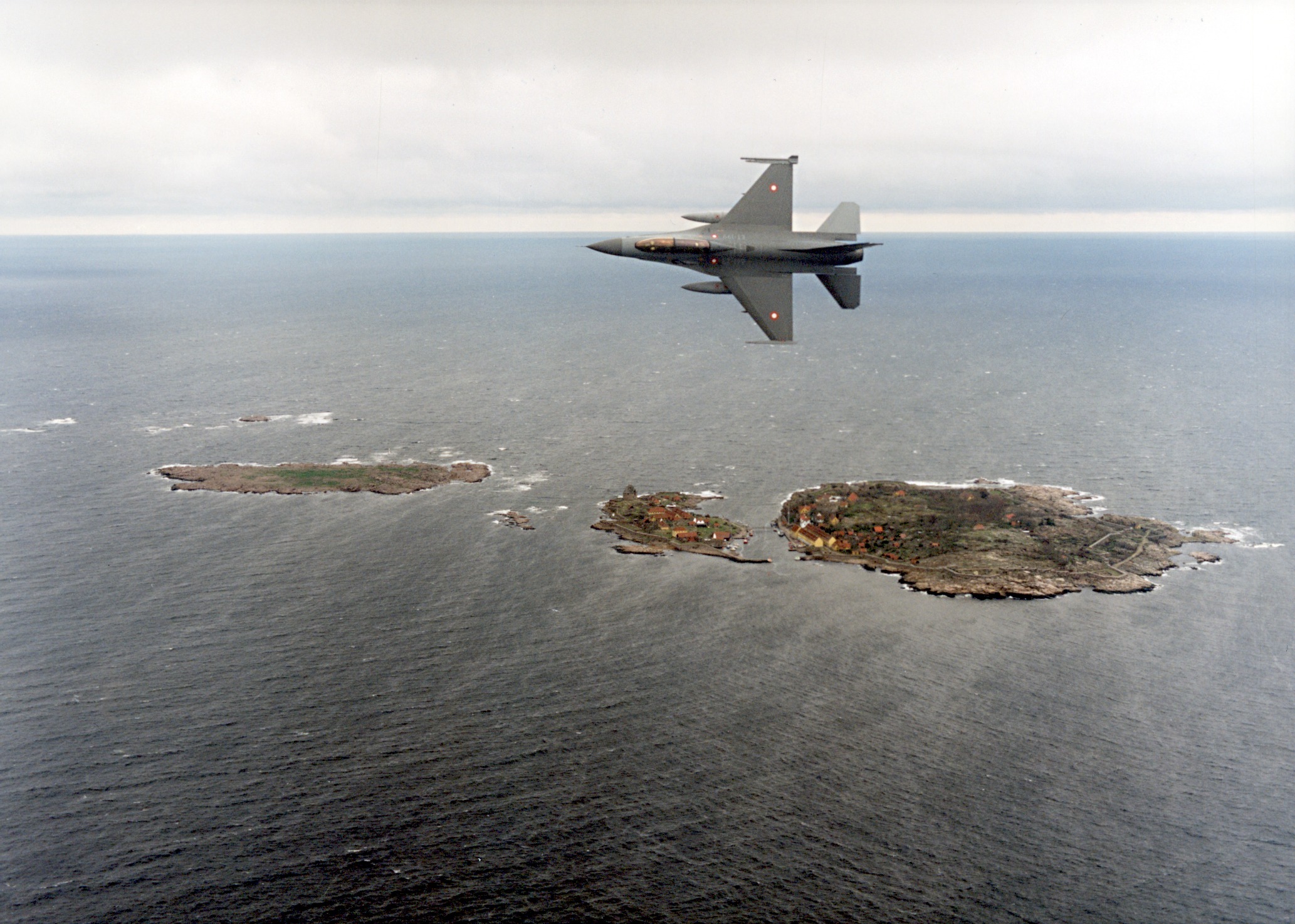
Technical drawings explain components. Pilot and archive photographs preserve how the aircraft looked from the cockpit and alongside the formation.
Open 40 F-16 photographs ↗READ FURTHER / PRIMARY SOURCES